Reframing a mental health campaign to reach the people who needed it most
Horizon Foundation
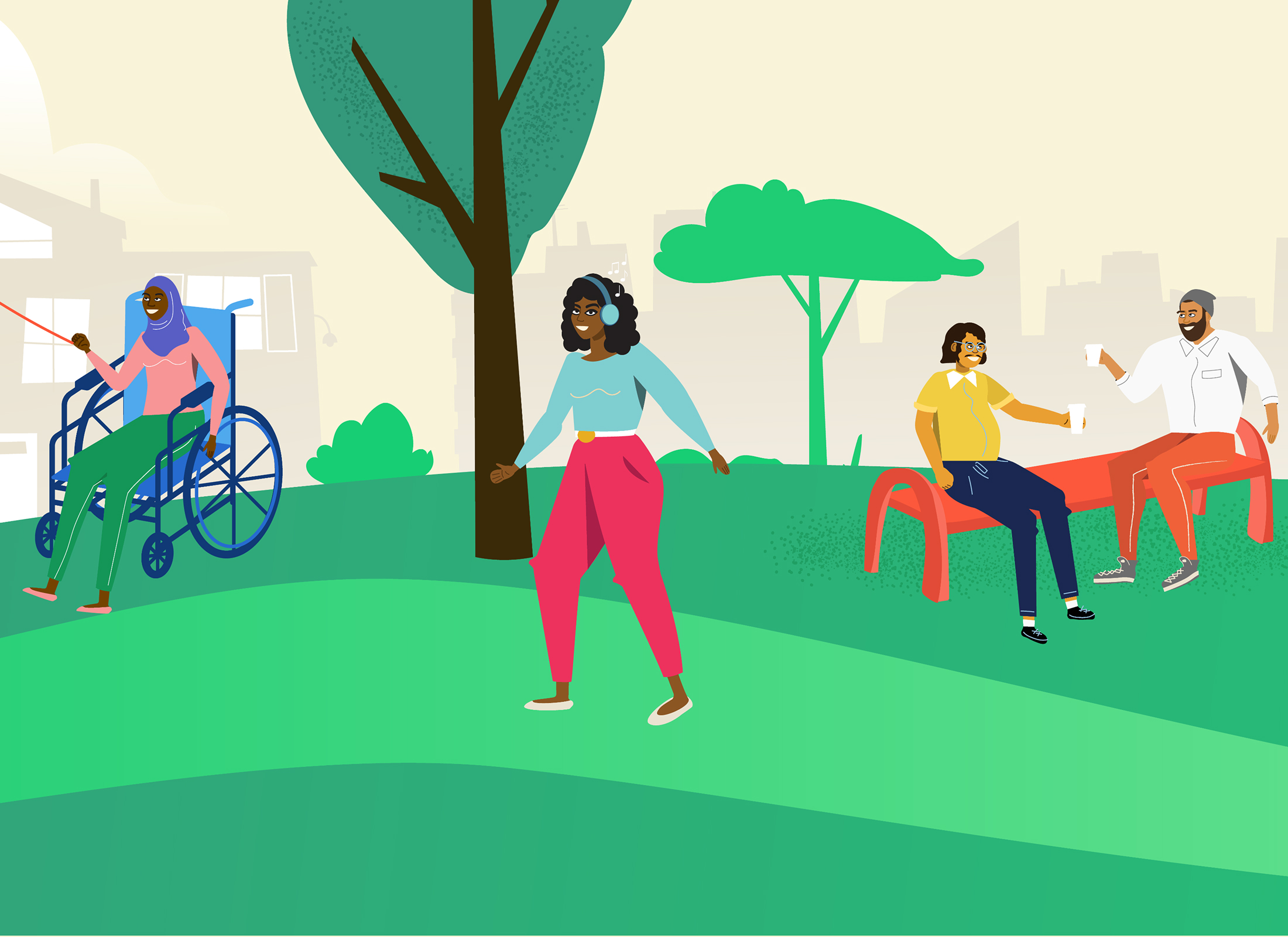
When the Horizon Foundation's mental health campaign wasn't connecting with priority audiences, especially BIPOC communities, they turned to PRR to rebuild it from the ground up. The result: a campaign that performed 4.2x better than its predecessor.
4.2x
2x
<3 mo
The Challenge
A campaign that wasn't reaching the people who needed it most
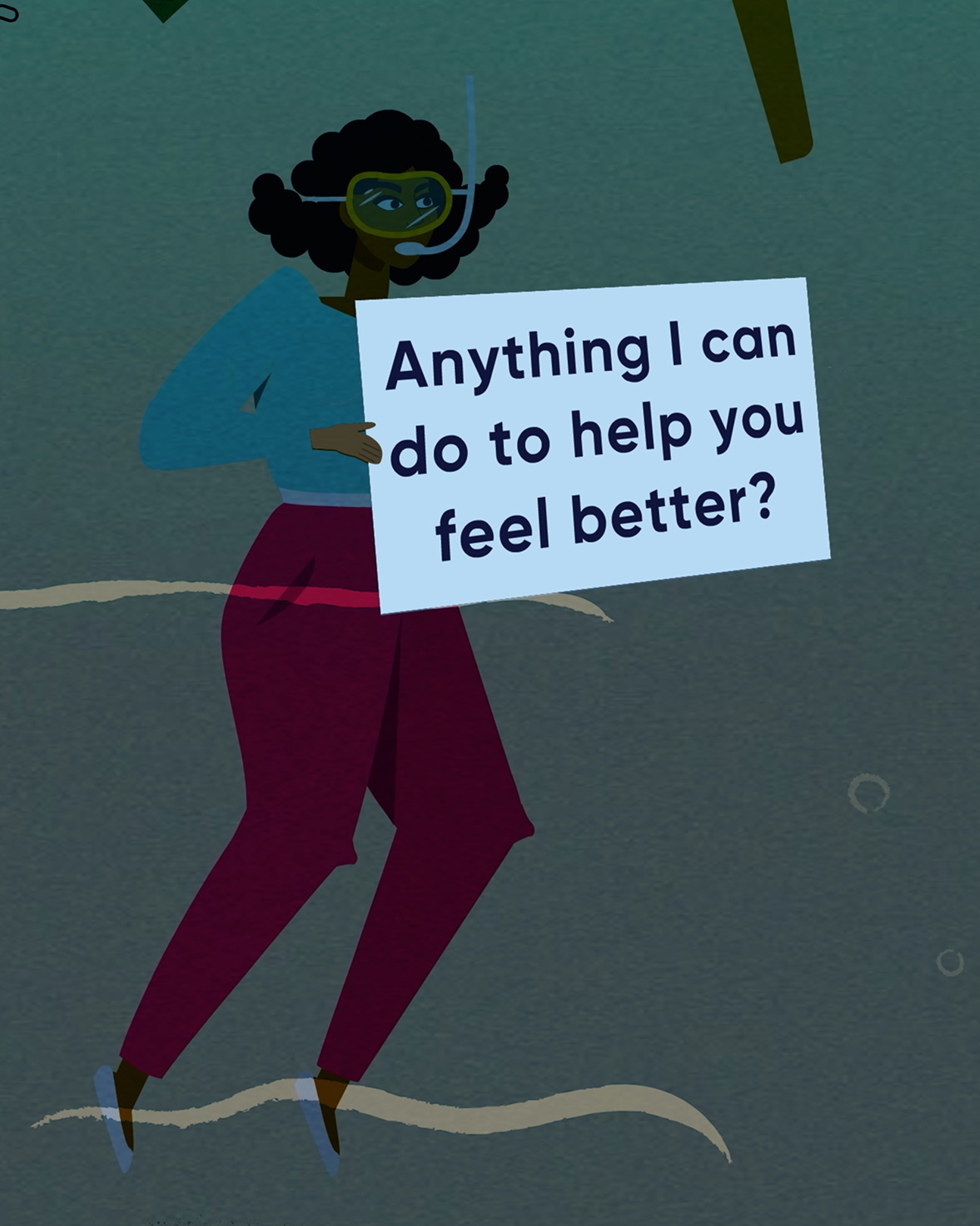
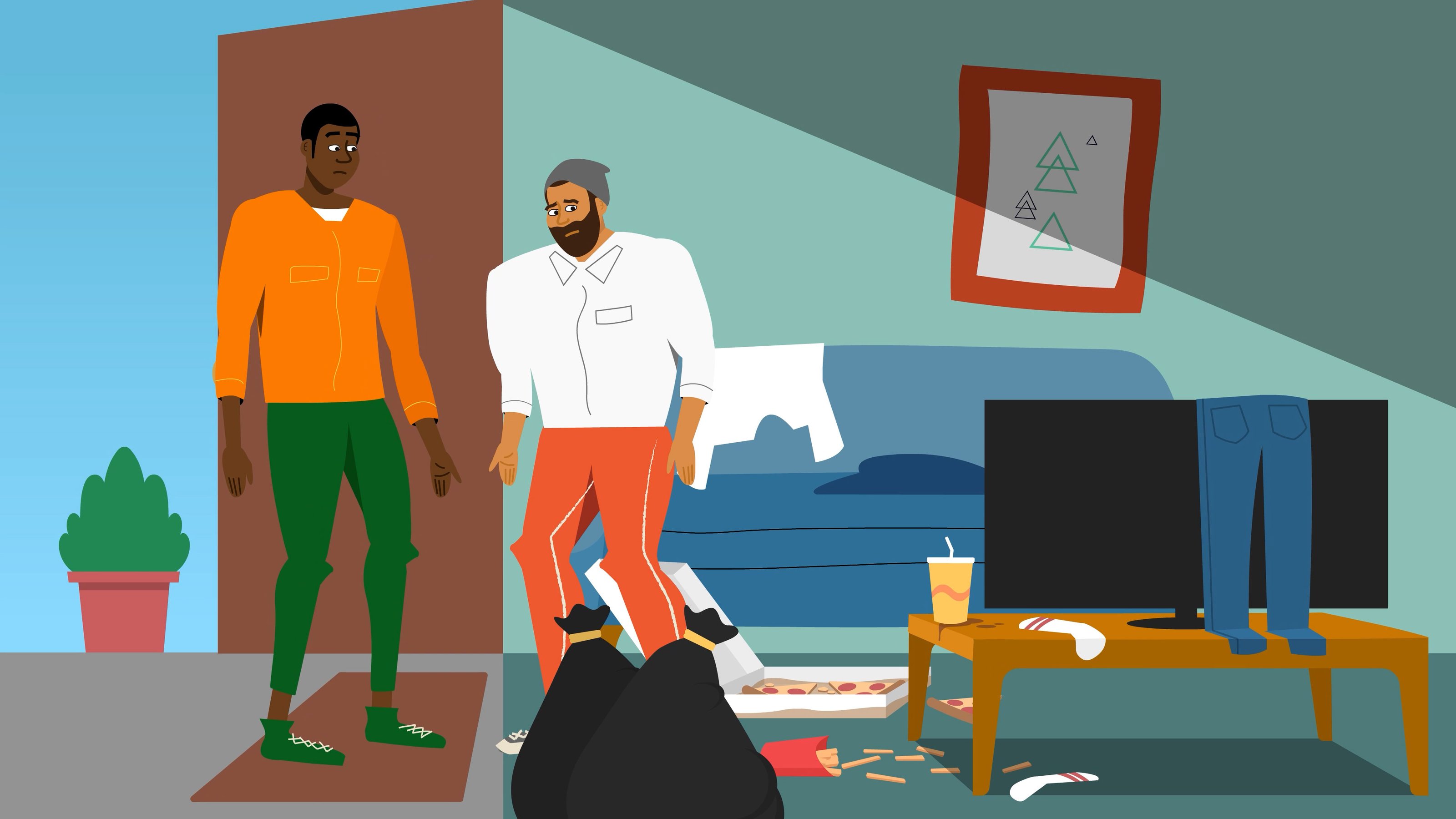
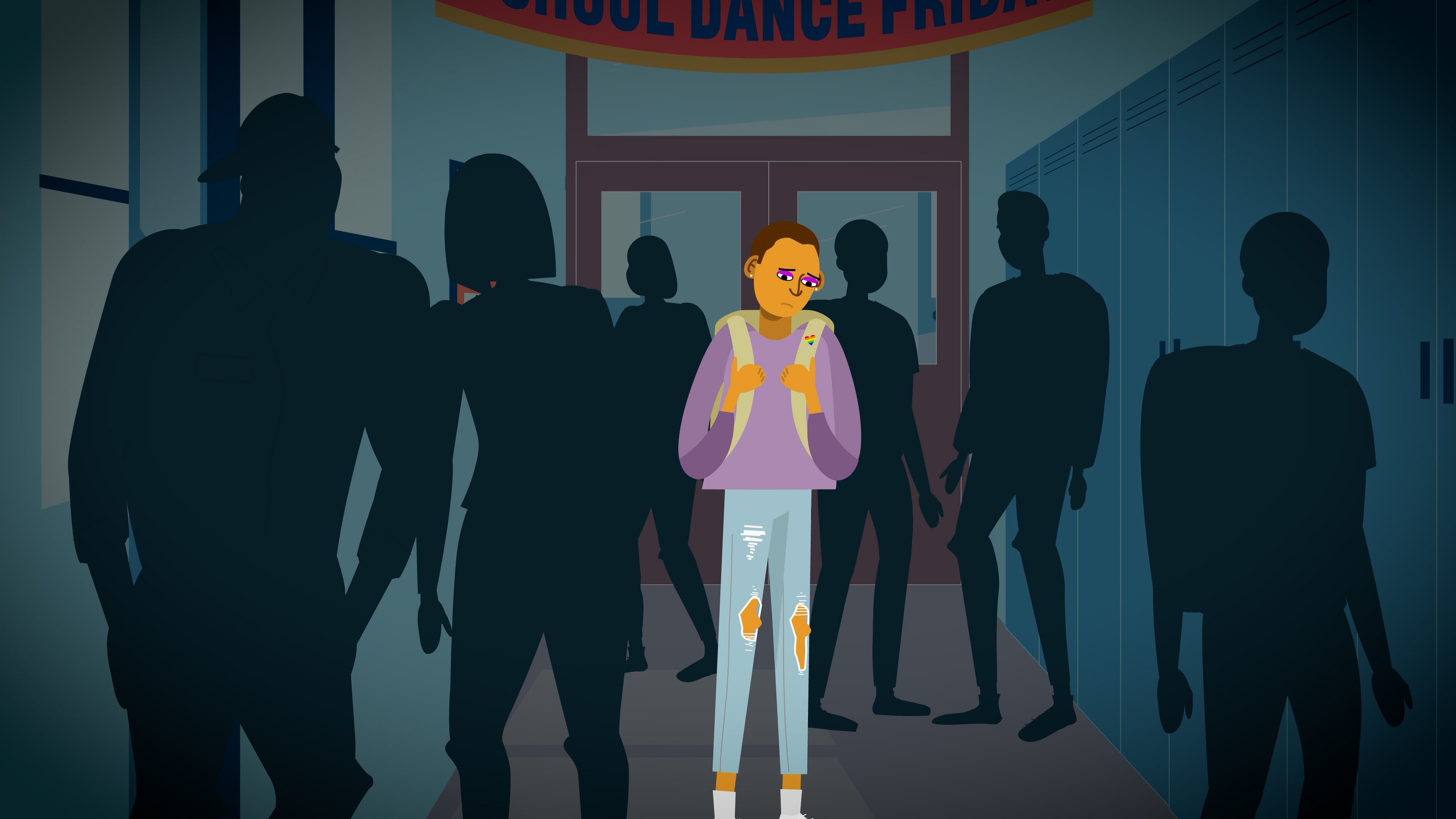
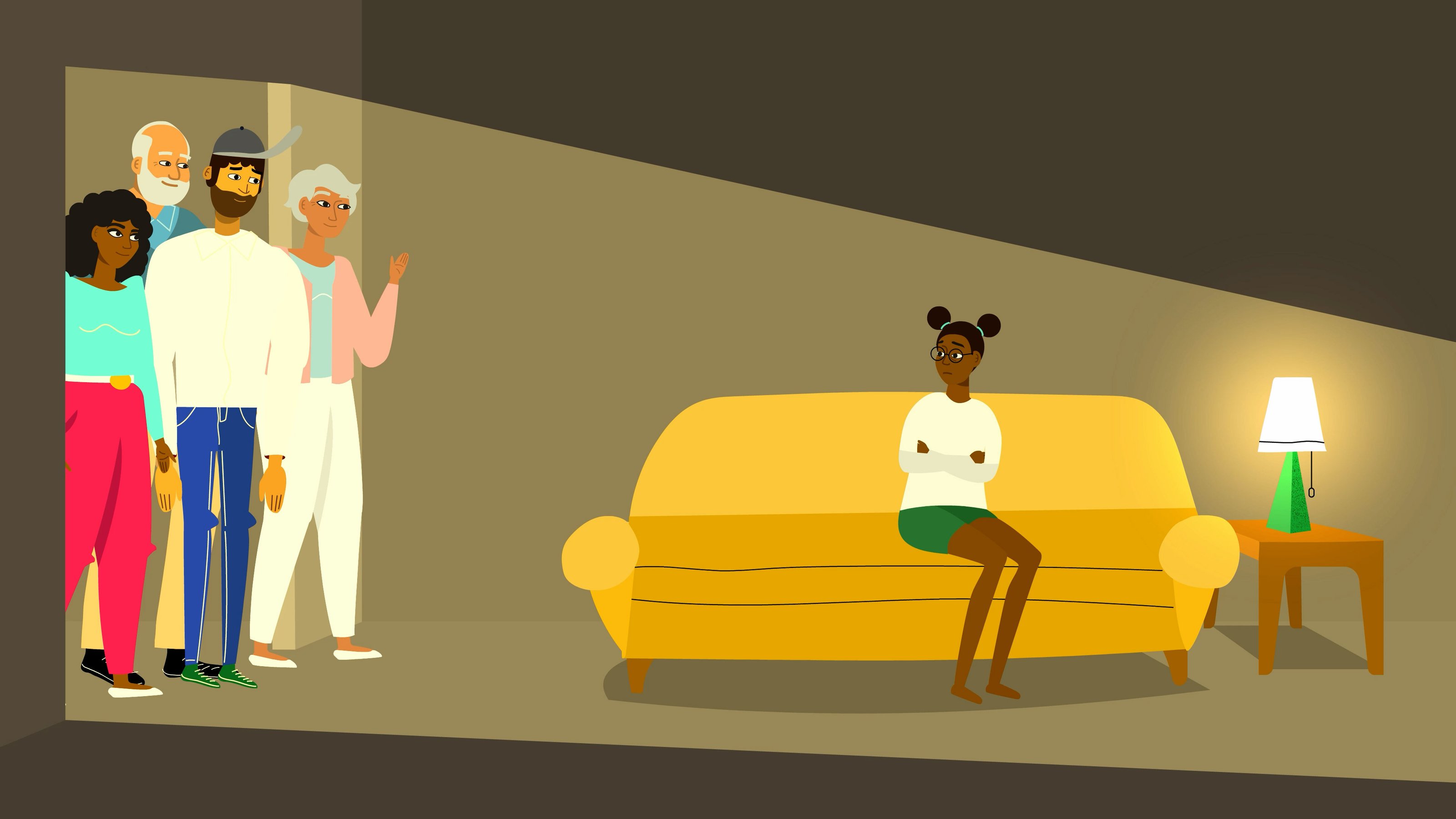
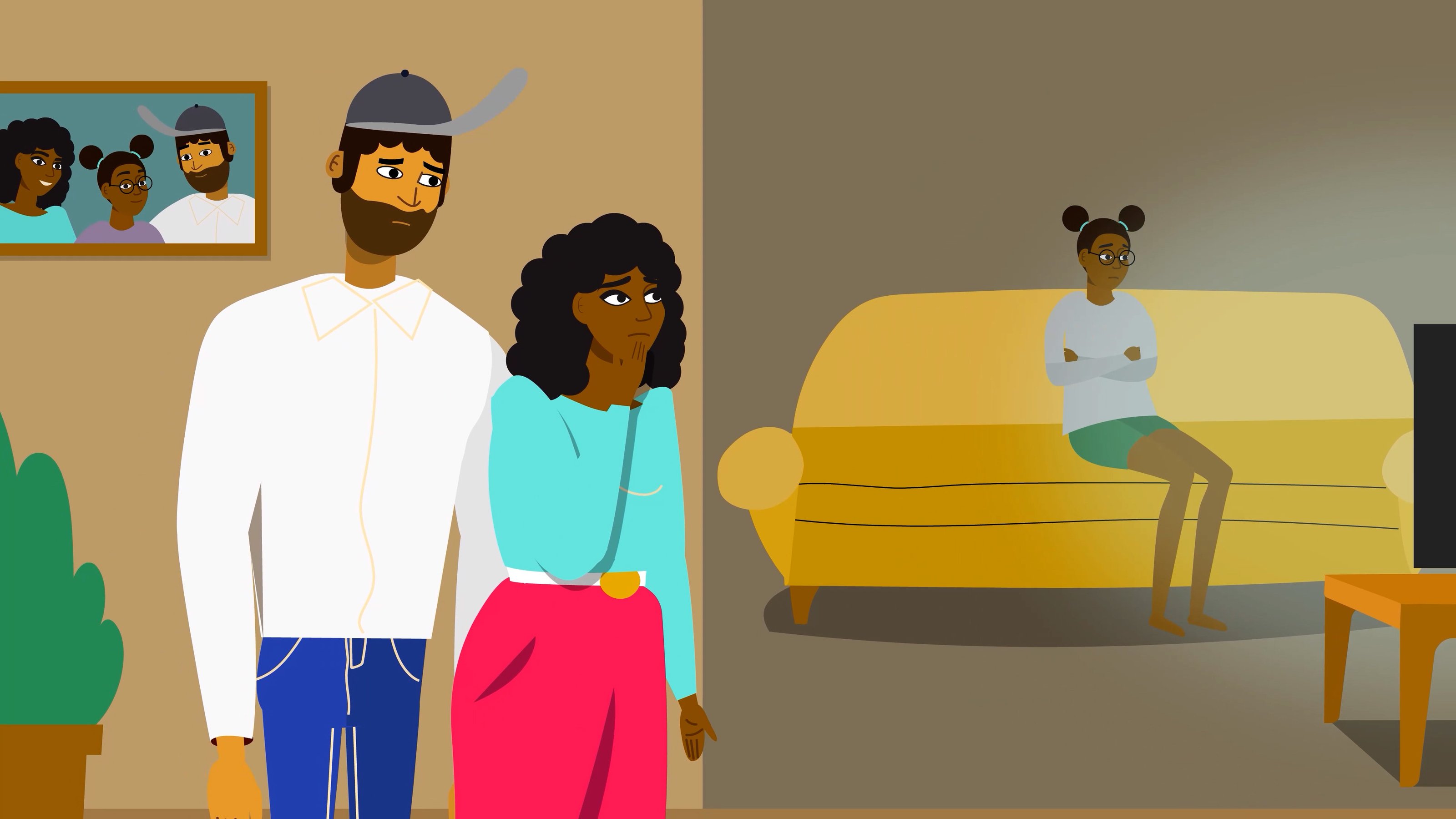
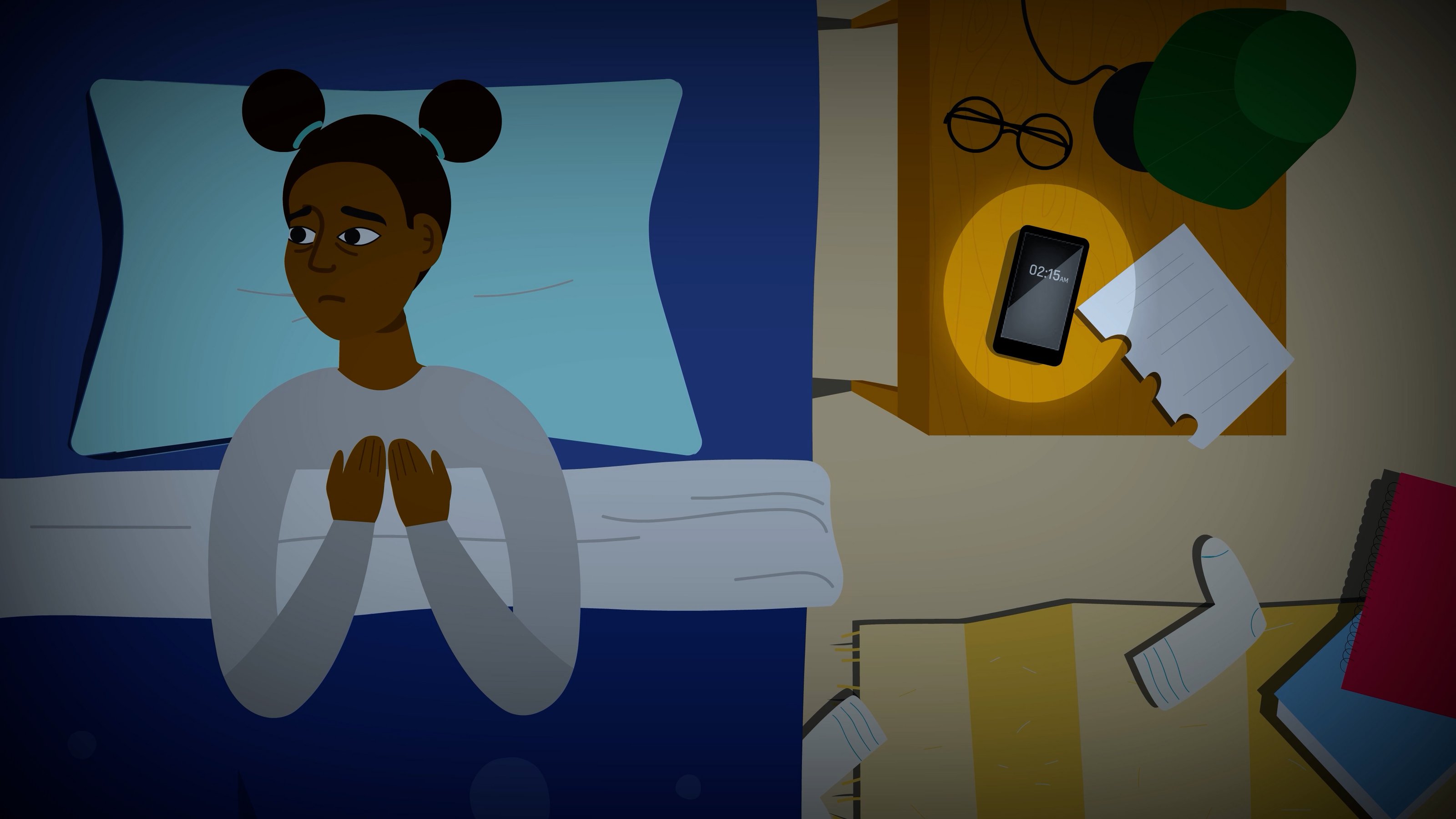
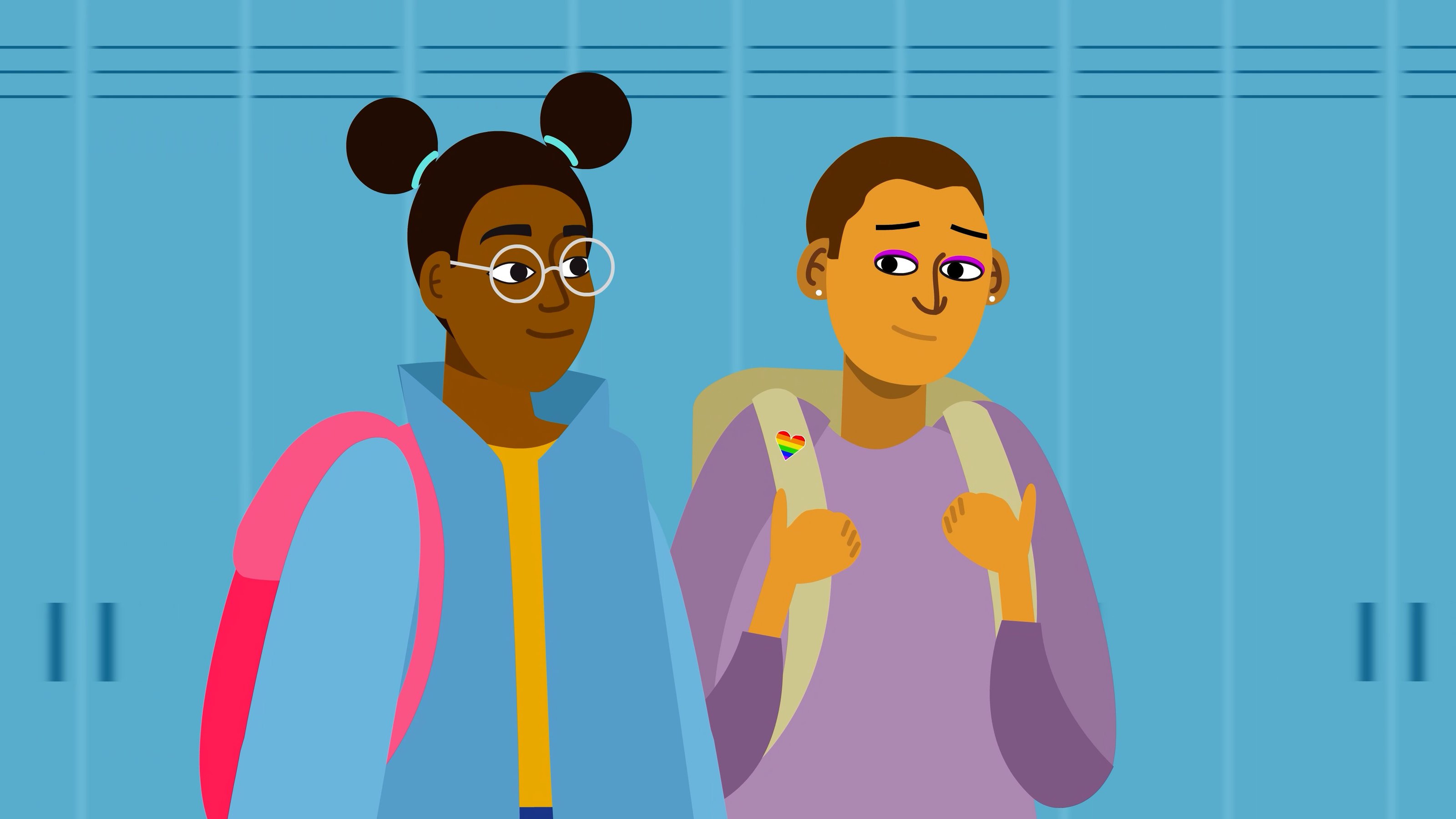
The Emotional Support Human campaign was designed to normalize conversations about mental health among Howard County residents, not by speaking to those in crisis, but to the friends and family who could reach them first. Research showed that most people knew when someone close to them was struggling, but stayed silent because they didn't know what to say.
One year after its initial launch, the campaign wasn't connecting with its priority audiences: primarily BIPOC residents ages 18–34. Meanwhile, the COVID-19 pandemic was compounding mental health challenges across the country, creating urgency the existing creative couldn't match.
The Opportunity
A rebrand that built on what was already working
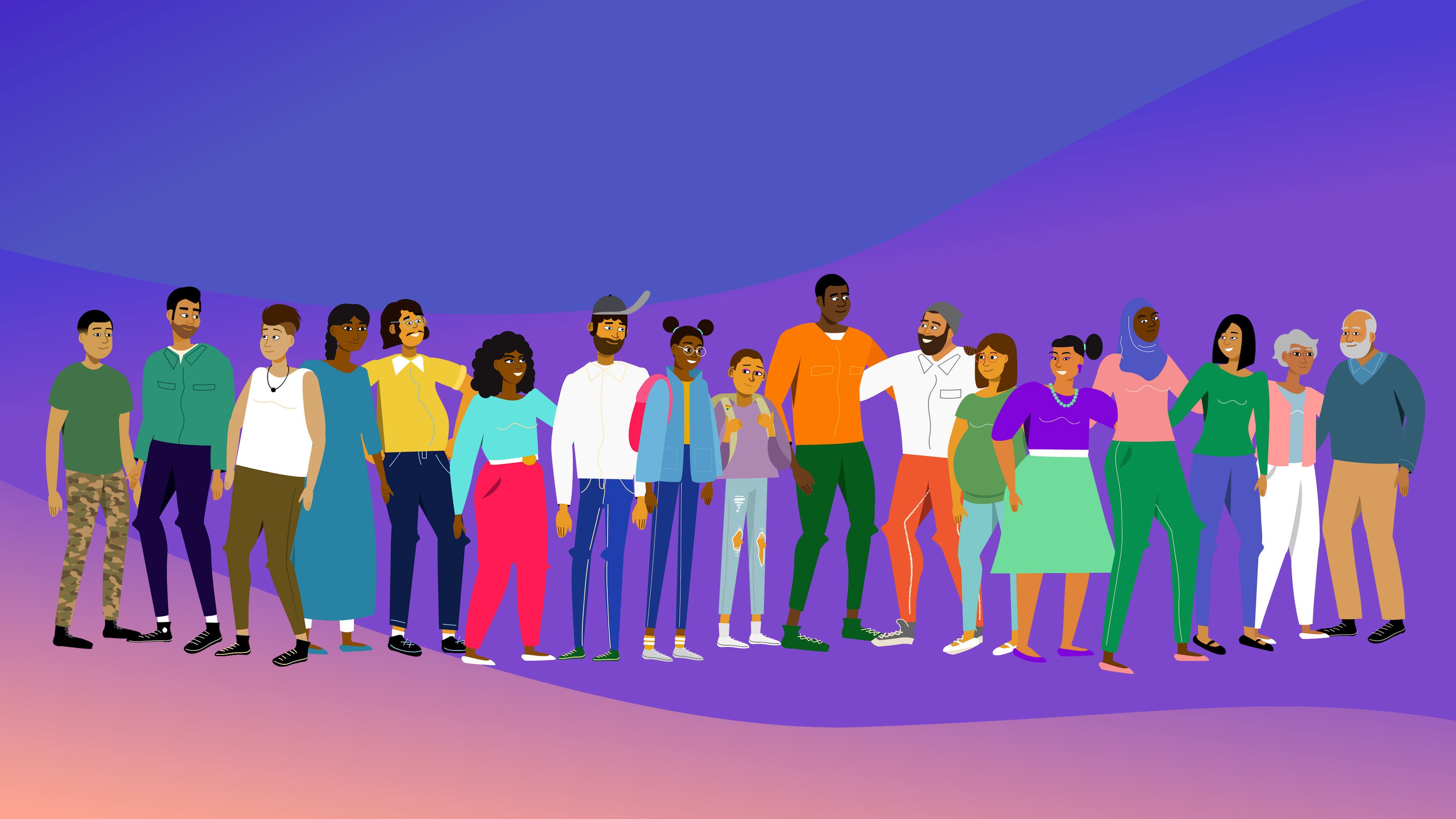
The campaign name, "Emotional Support Human," had equity. PRR's opportunity was to rethink everything else: the visual identity, the messaging tone, the media strategy, and the outreach approach. Rather than starting over, we listened first, to community members, to grantees, to CBO partners, and let that research shape the creative direction.

The Solution
Research-led strategy, community-shaped creative
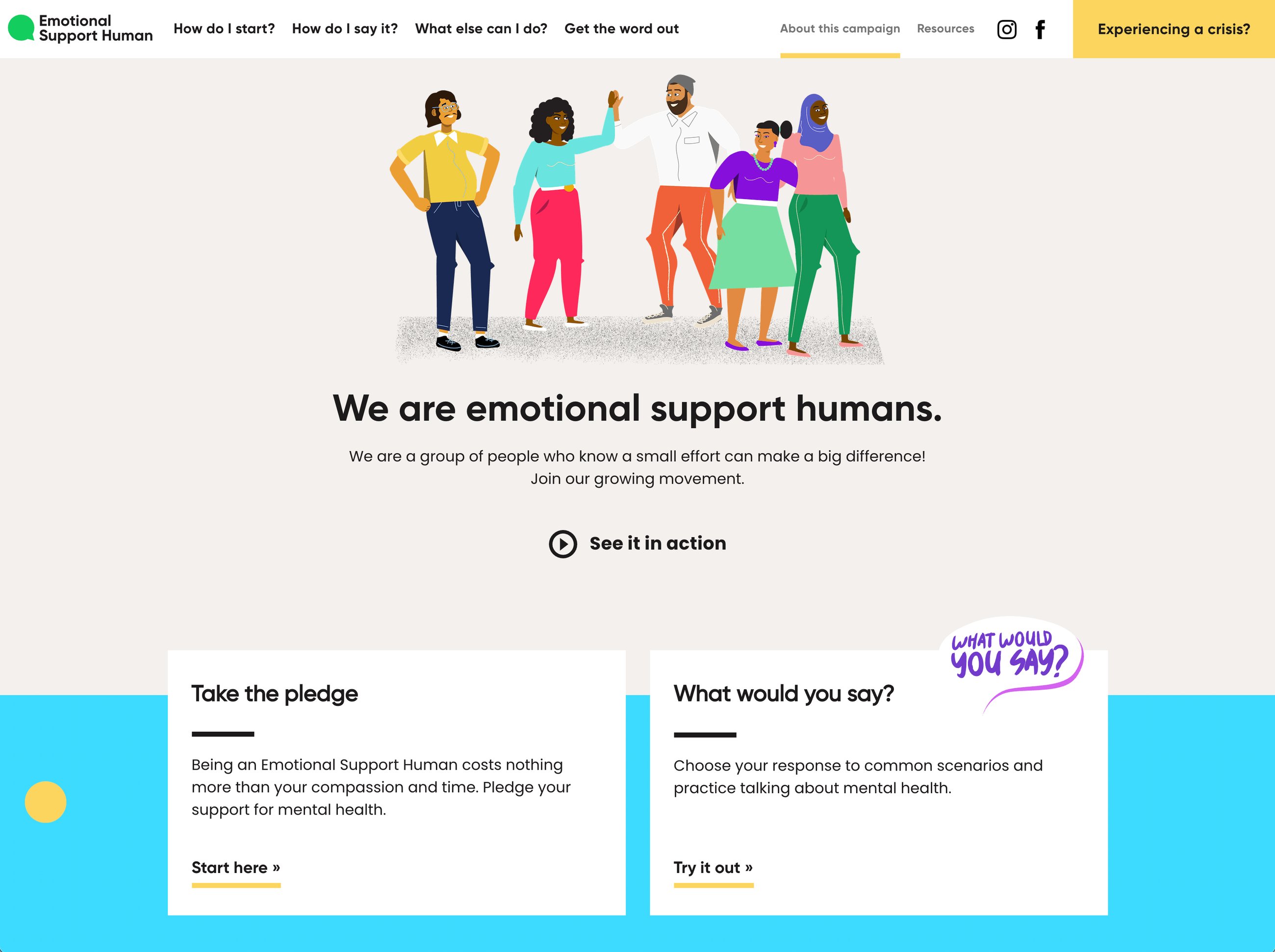
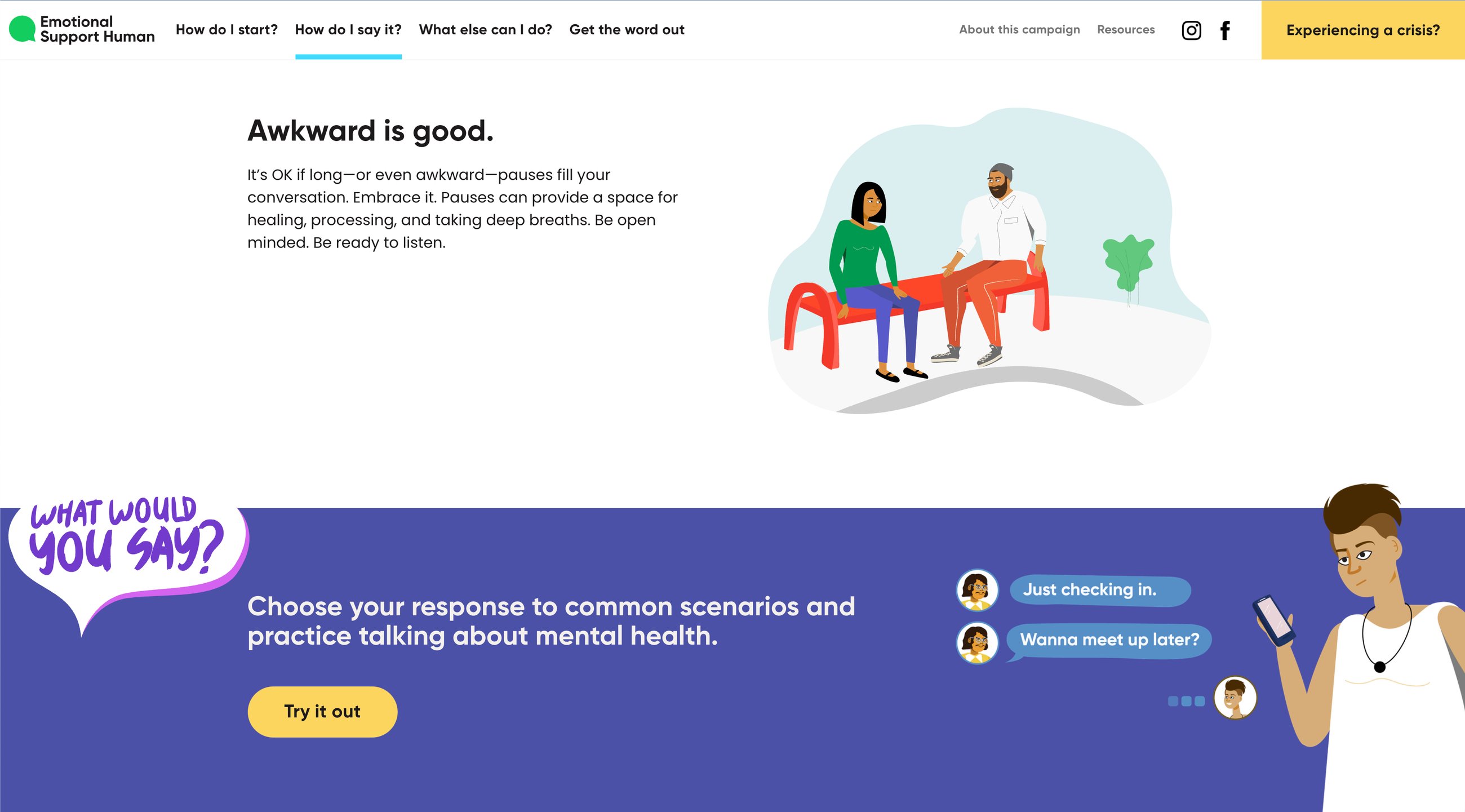
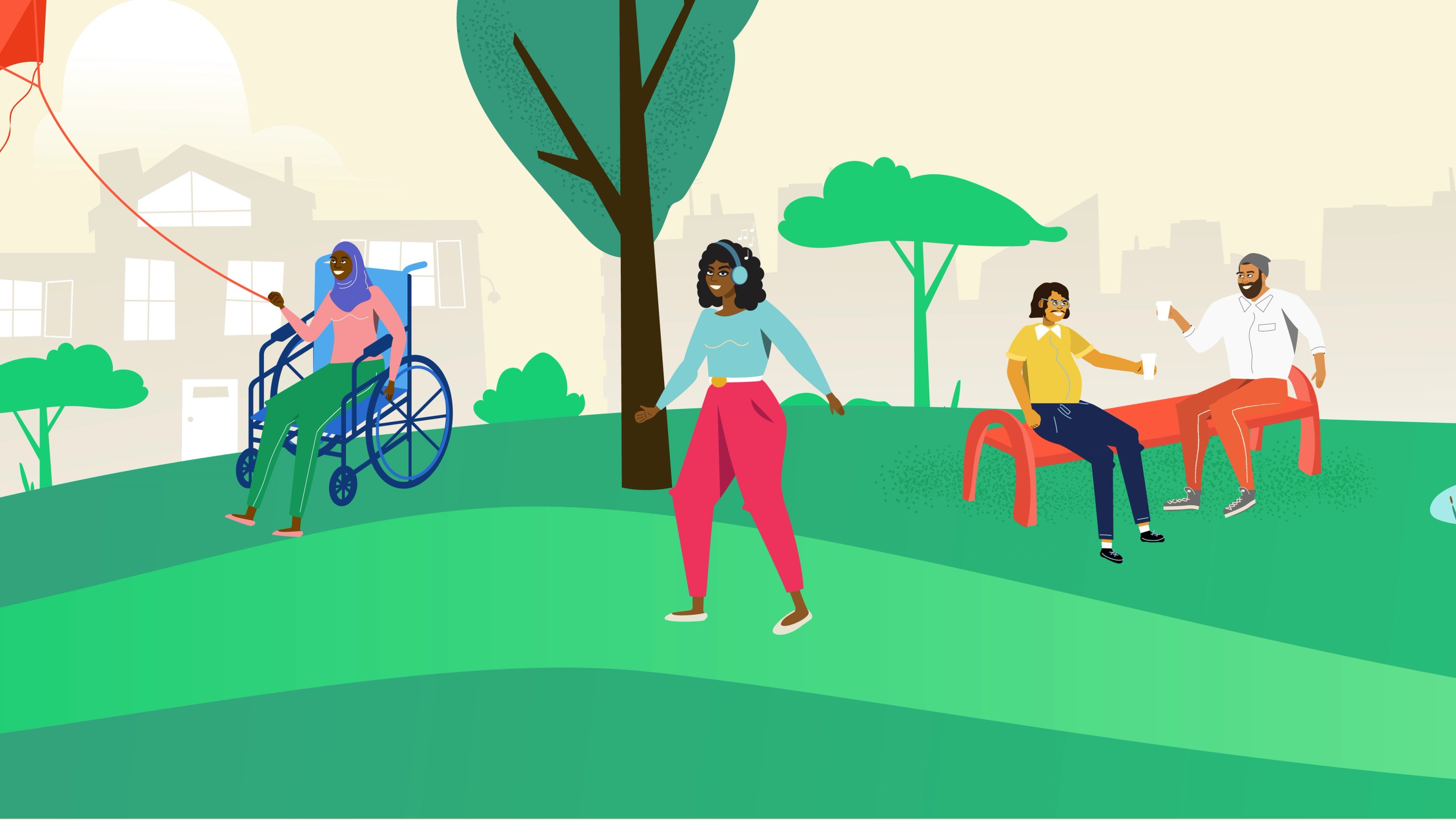
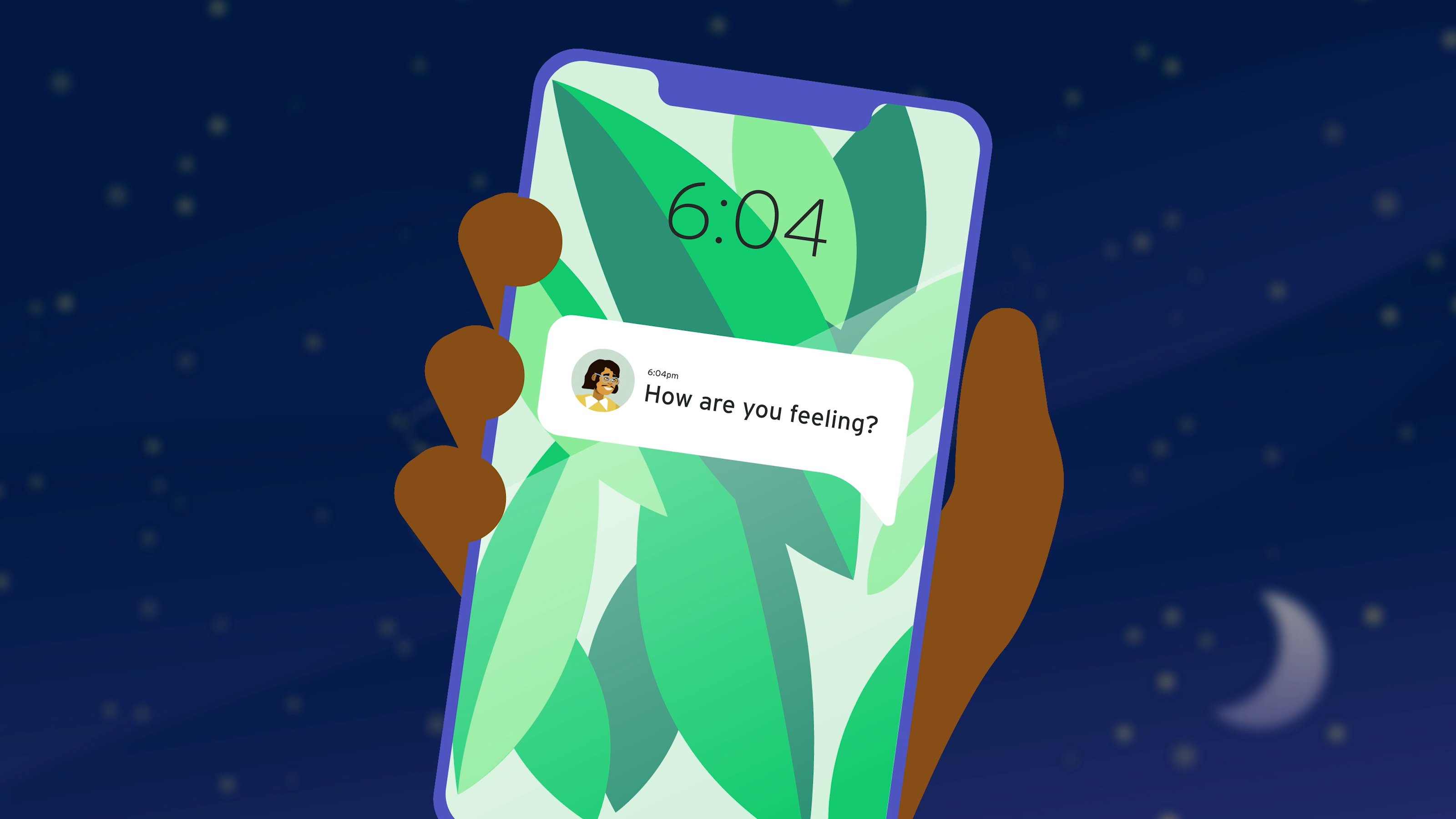
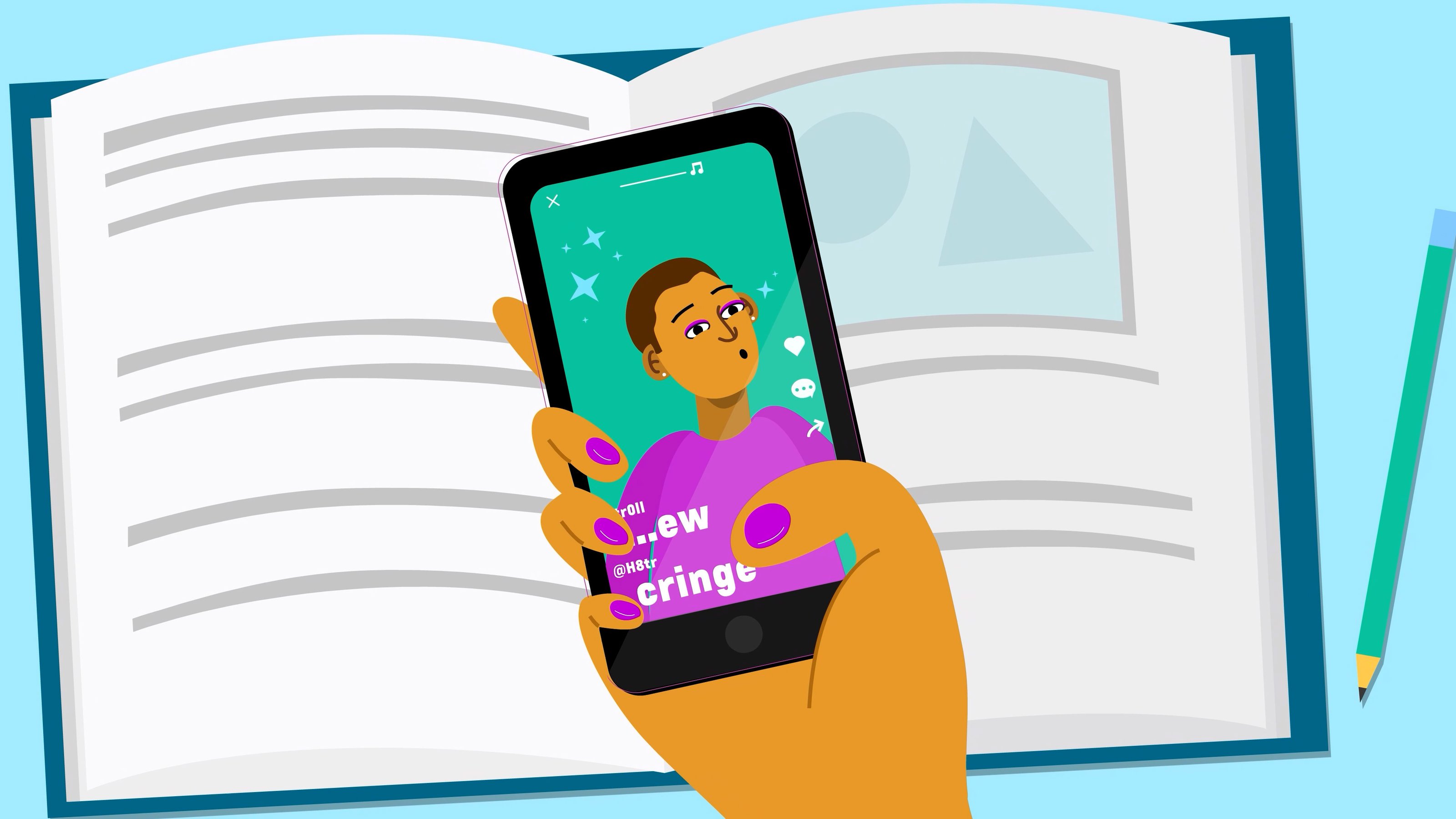
PRR developed and delivered a full campaign refresh, including new animated video, a redesigned website, a paid and organic social media program, and CBO outreach, all within three months.
Listened before designing
Kept the campaign moving
Rebuilt a destination site
Met people where they were

Results
Community members saw it, and chose to engage
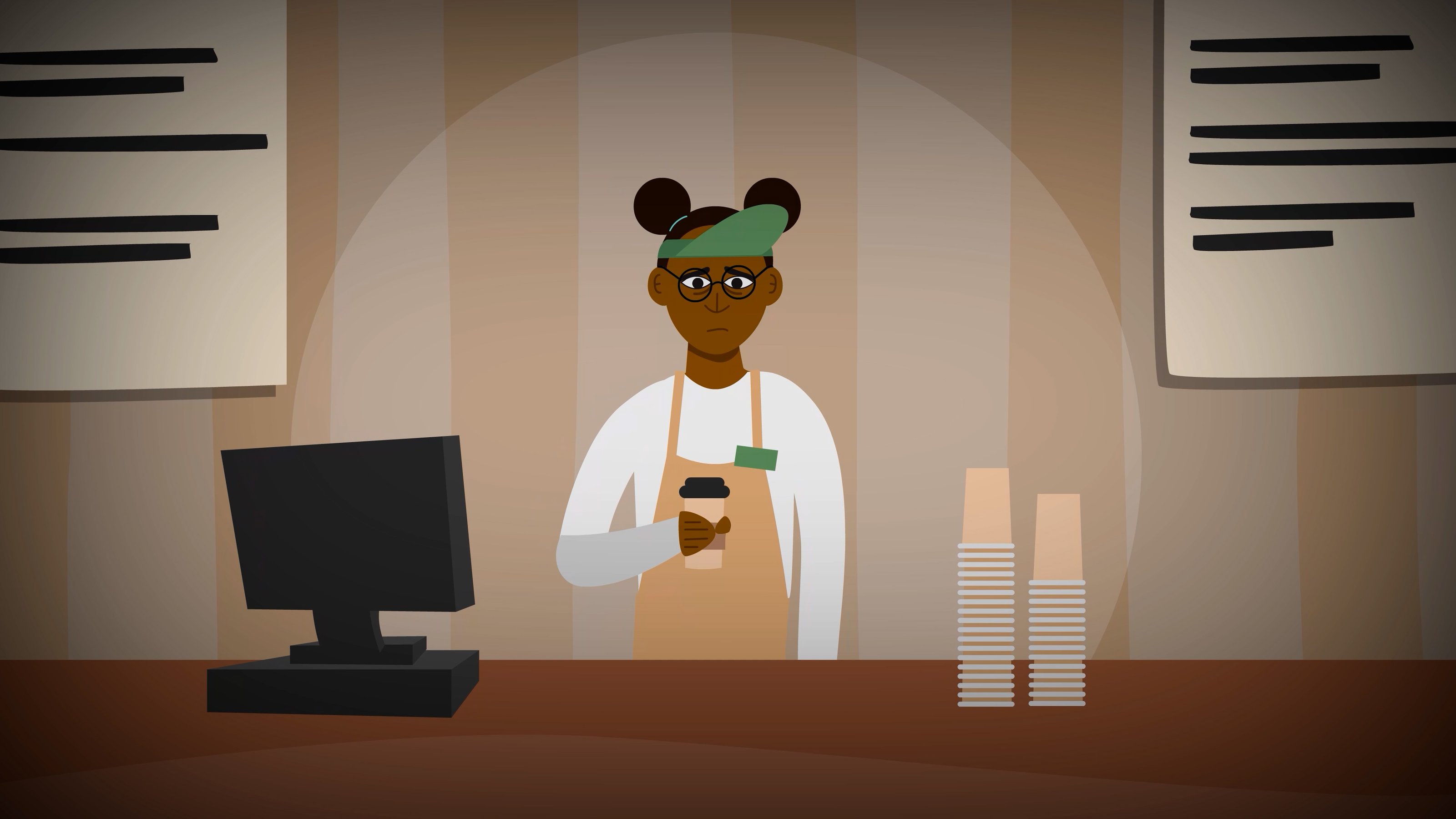
Among people seeing the campaign video for the first time, 83% said it grabbed their attention and 77% said it inspired them to take action. Almost all of those first-time viewers said they were likely to reach out to (89% to 92%) or make an effort to listen to (93% to 95%) a friend or family member who might be experiencing mental health challenges. Half of the people who had seen campaign materials before had already recommended the resources to others, and 38% had already used the materials to prepare for conversations with a friend or family member they saw struggling.