Extending the life of Interstate 5 while keeping Seattle moving
Washington State Department of Transportation
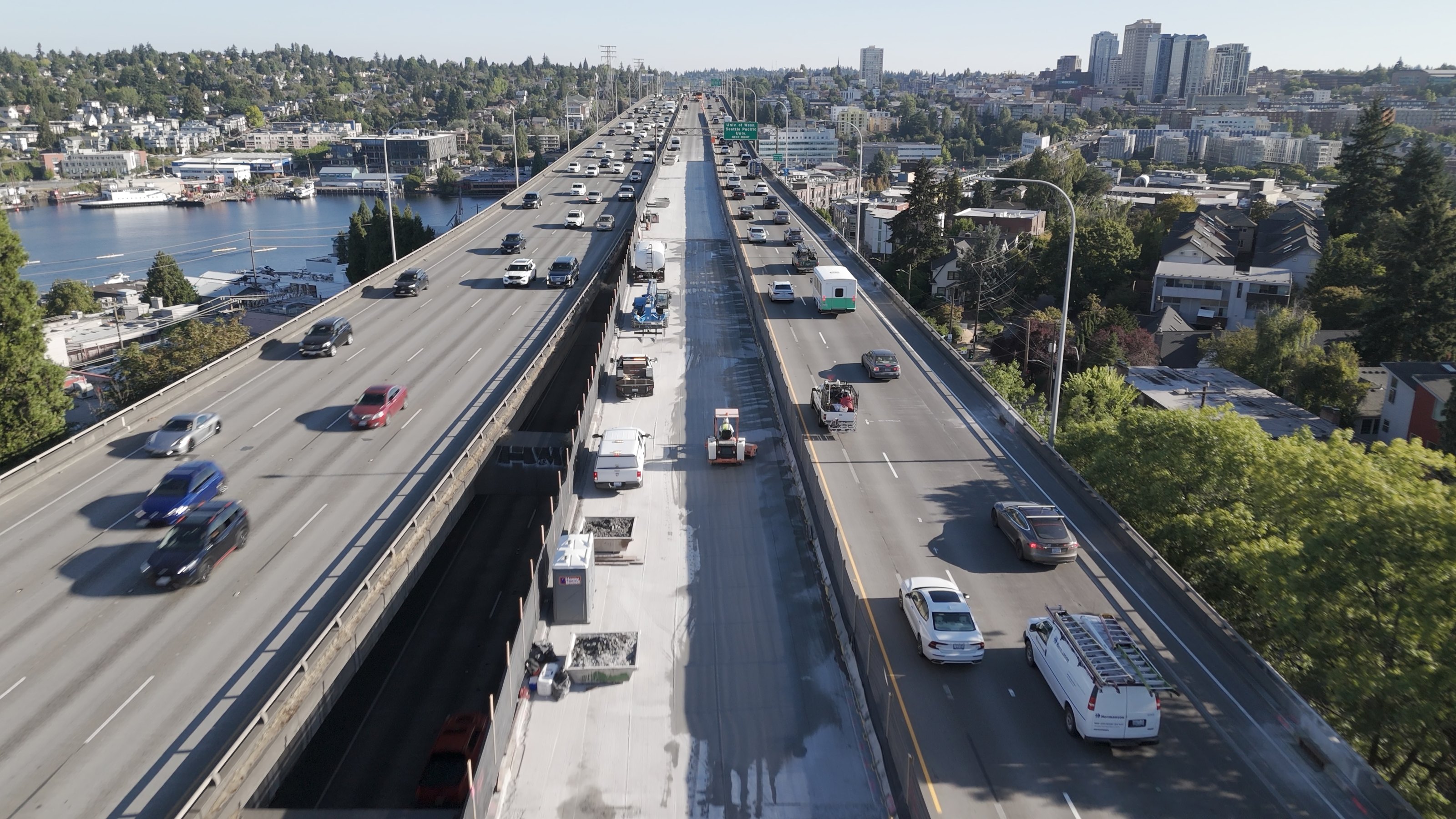
After more than 40 years, the I-5 Ship Canal Bridge in Seattle required extensive preservation work. Knowing what construction on this critical corridor would mean for the region, WSDOT and their prime firm turned to PRR to develop and implement a strategic communications plan that keeps the traveling public informed and partner relationships strong across the Puget Sound.
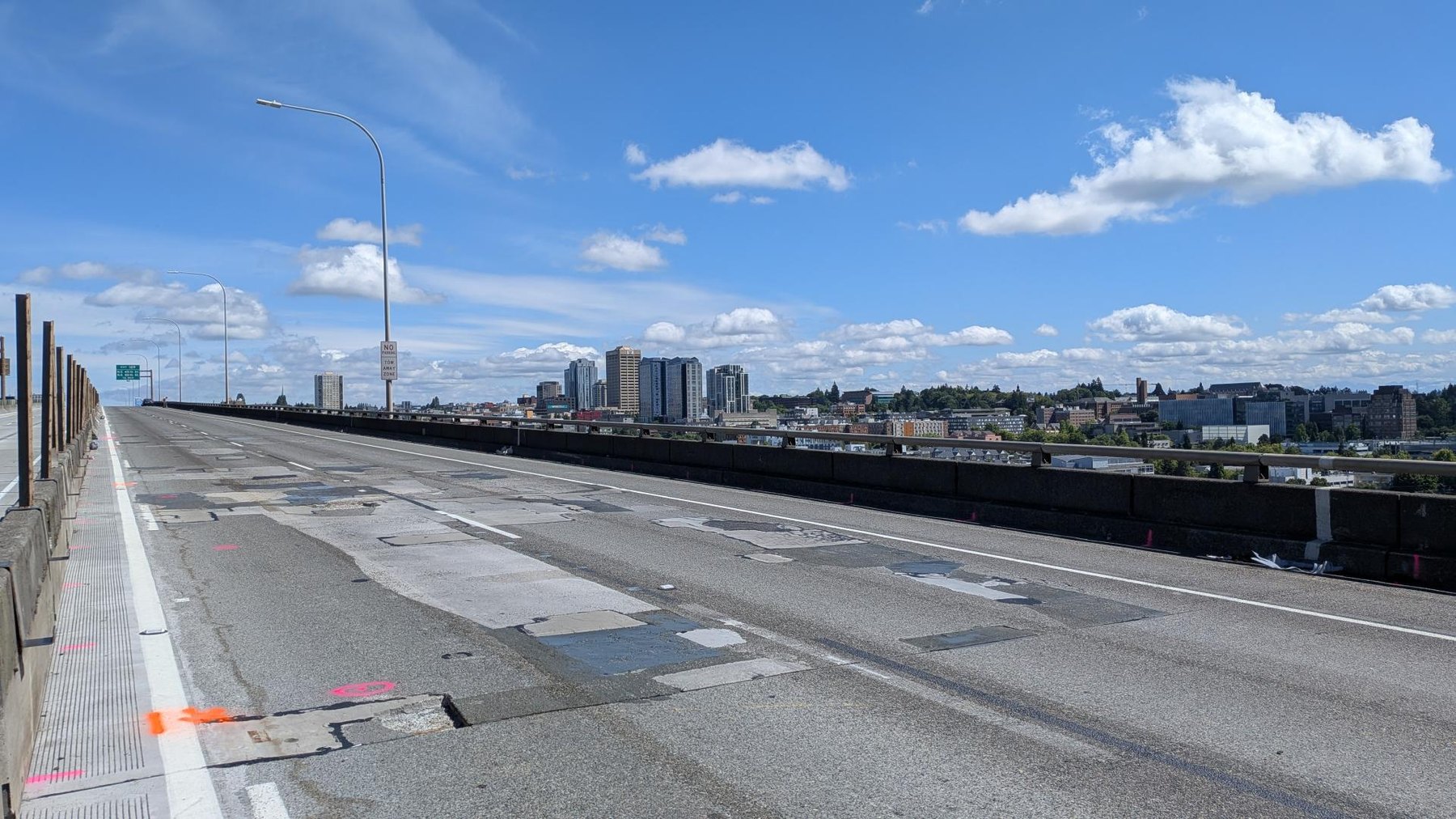
Construction on critical infrastructure in a major urban corridor
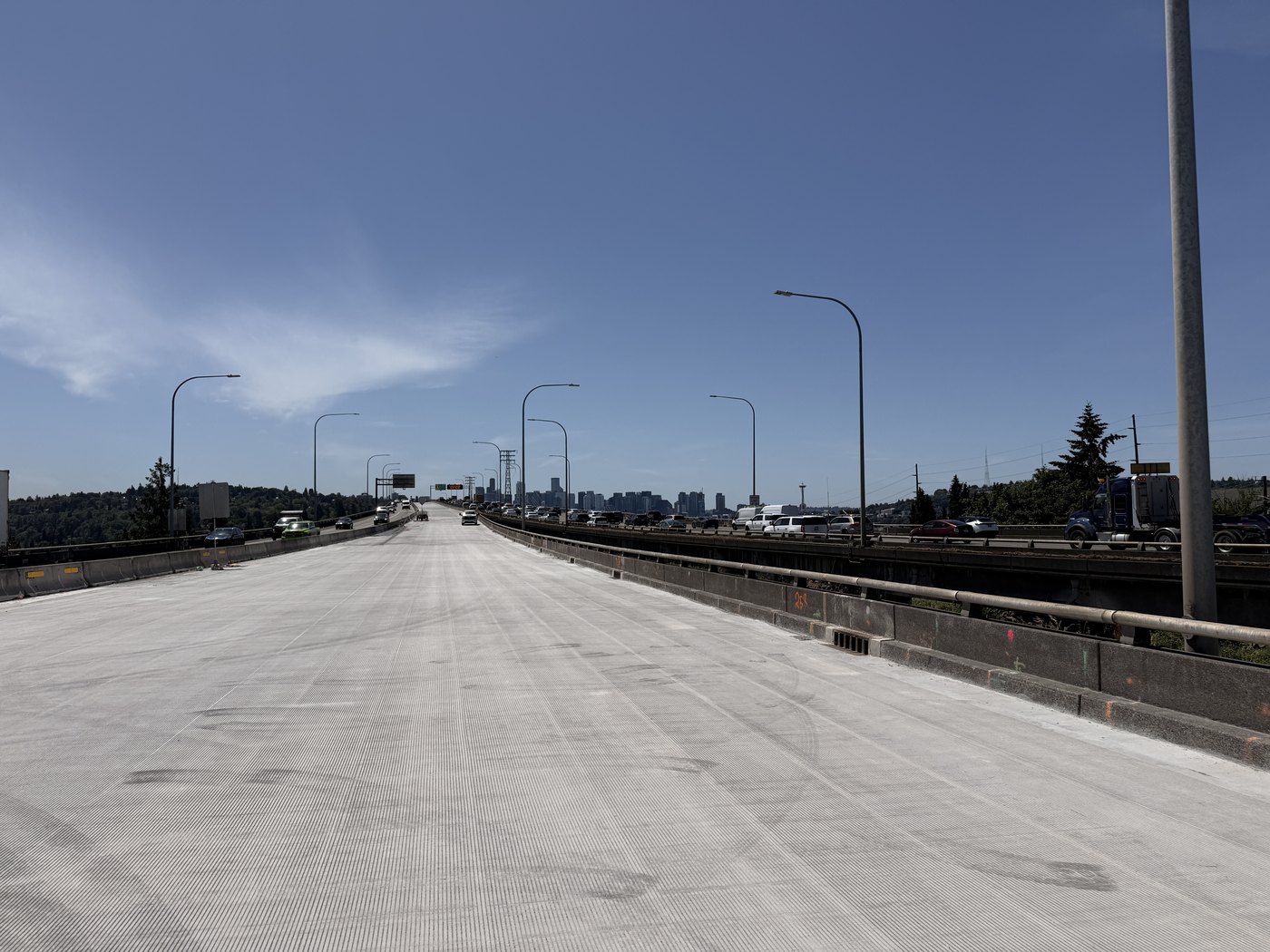
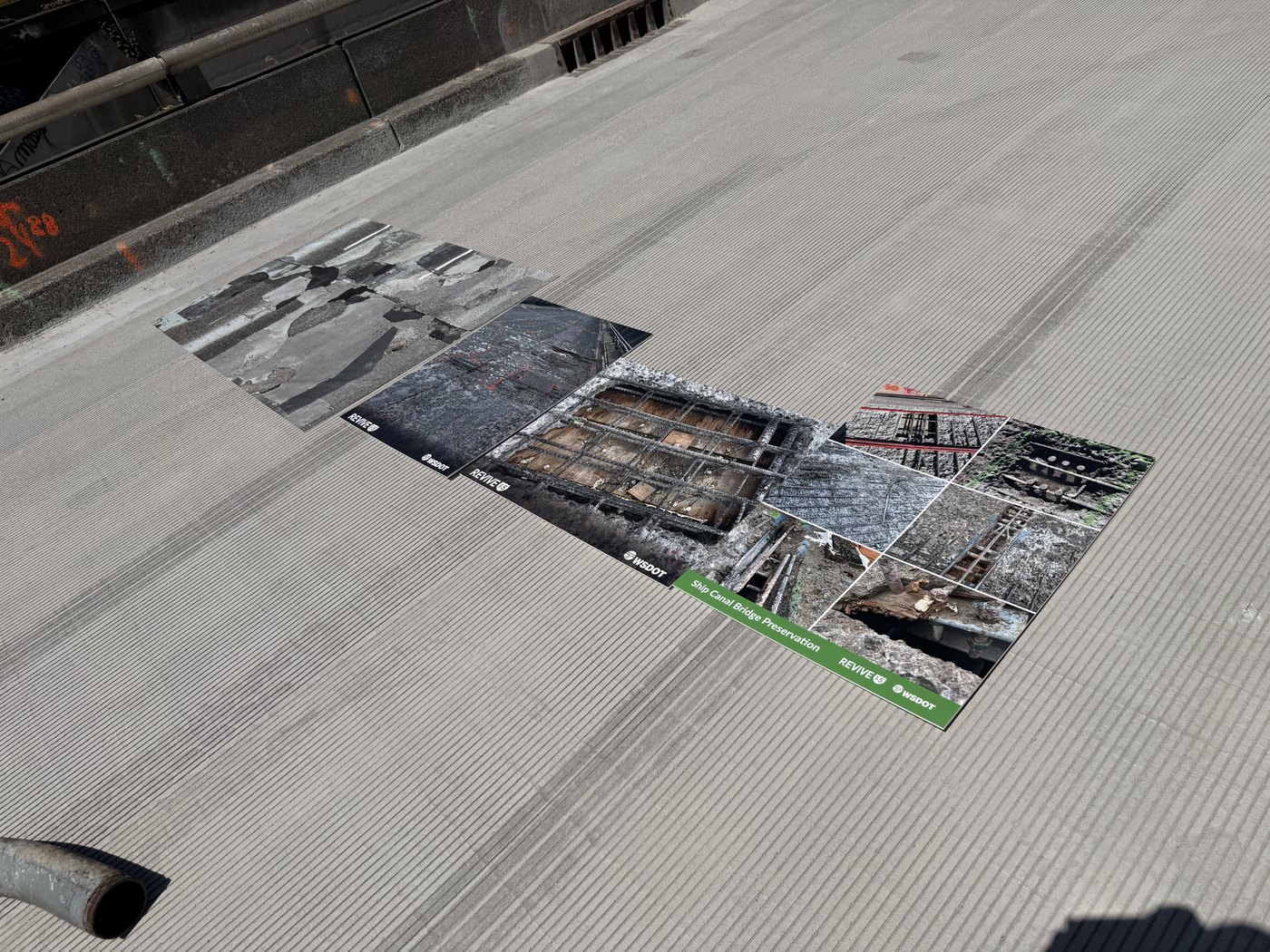
The Ship Canal Bridge carries tens of millions of trips on I-5 to and through Seattle each year. The bridge had not seen a major preservation effort since the 1980s and was showing significant wear that required frequent, and unpredictable, emergency repairs. WSDOT planned a project to repair and resurface the upper bridge deck, replace expansion joints, and improve drainage. This work would have significant impacts and require a series of weekend-long full closures and months-long lane reductions on this busy corridor. As a preservation project, Revive I-5 did not have funds for direct monetary mitigation, making a robust communications and engagement strategy crucial to project success.
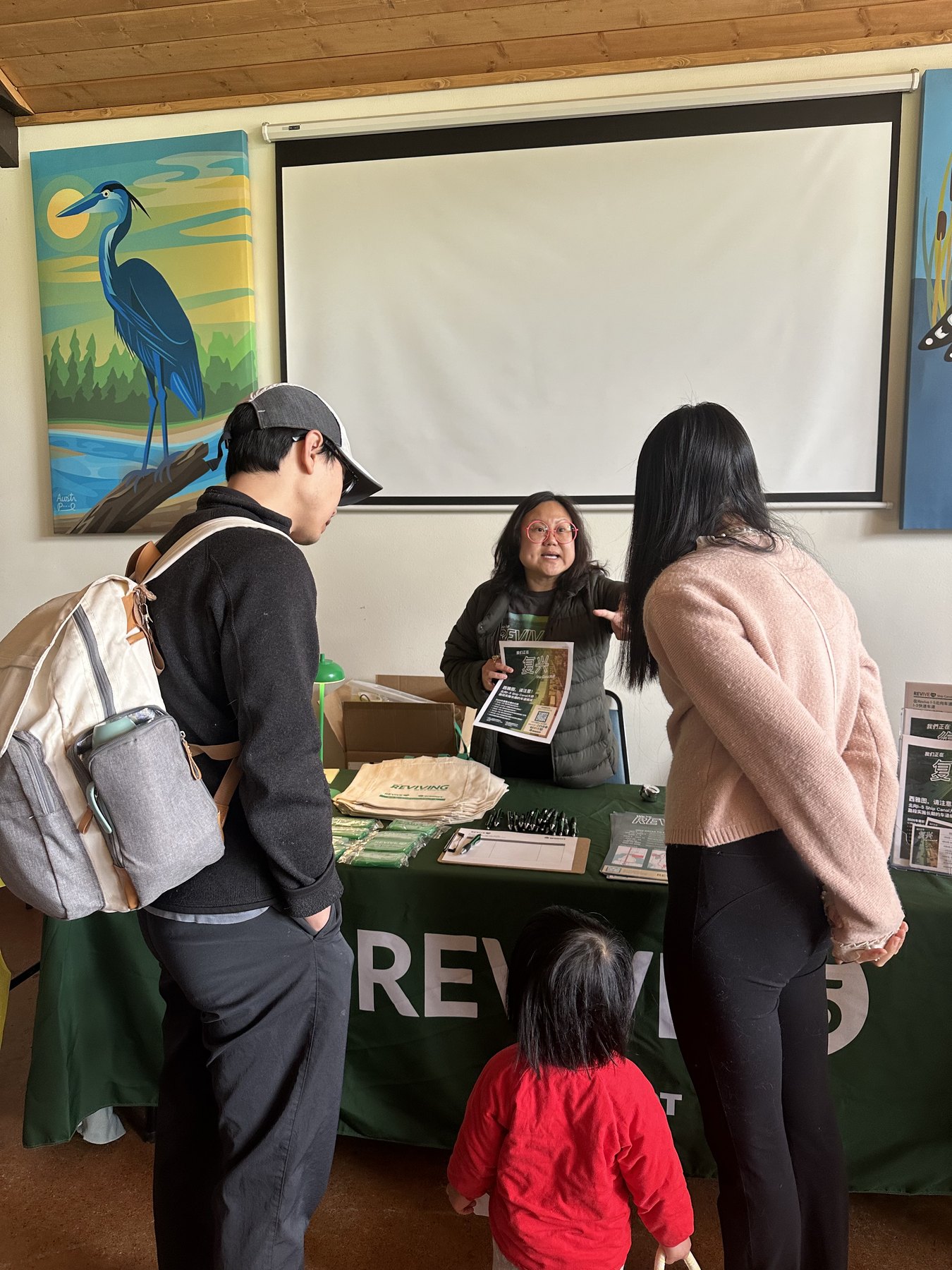
Mitigating impacts through strong partner relations and an informed public
To inform the traveling public, encourage behavior change, keep partners engaged, and build lasting relationships with community-based organizations, PRR designed and runs a strategy built on five things:
- Robust partner coordination. Provides regular check-ins with intergovernmental partners, frequent briefings and email communications, and shares a partner toolkit with materials in multiple languages.
- Strategic communications. Developed key messages and communications approach.
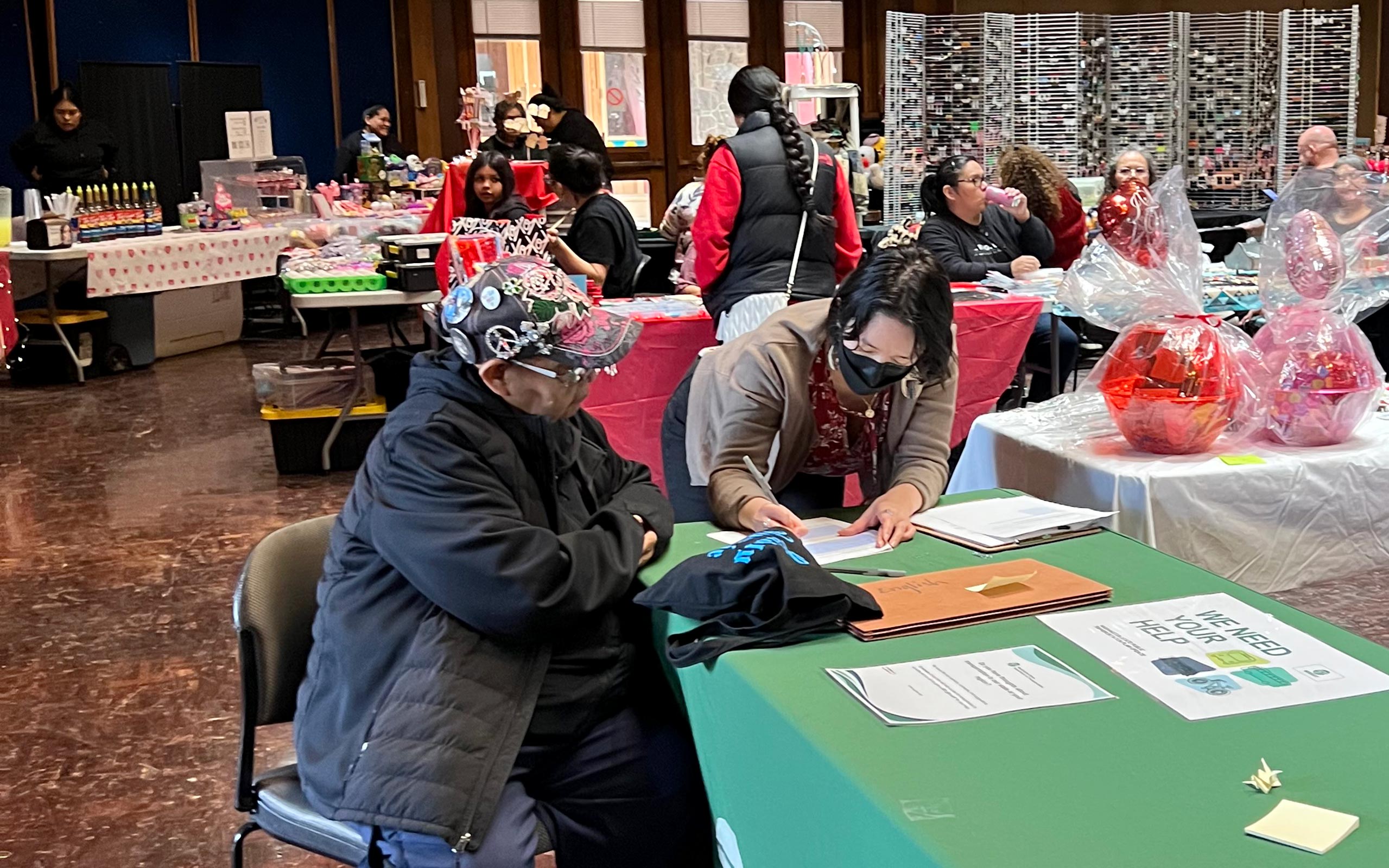
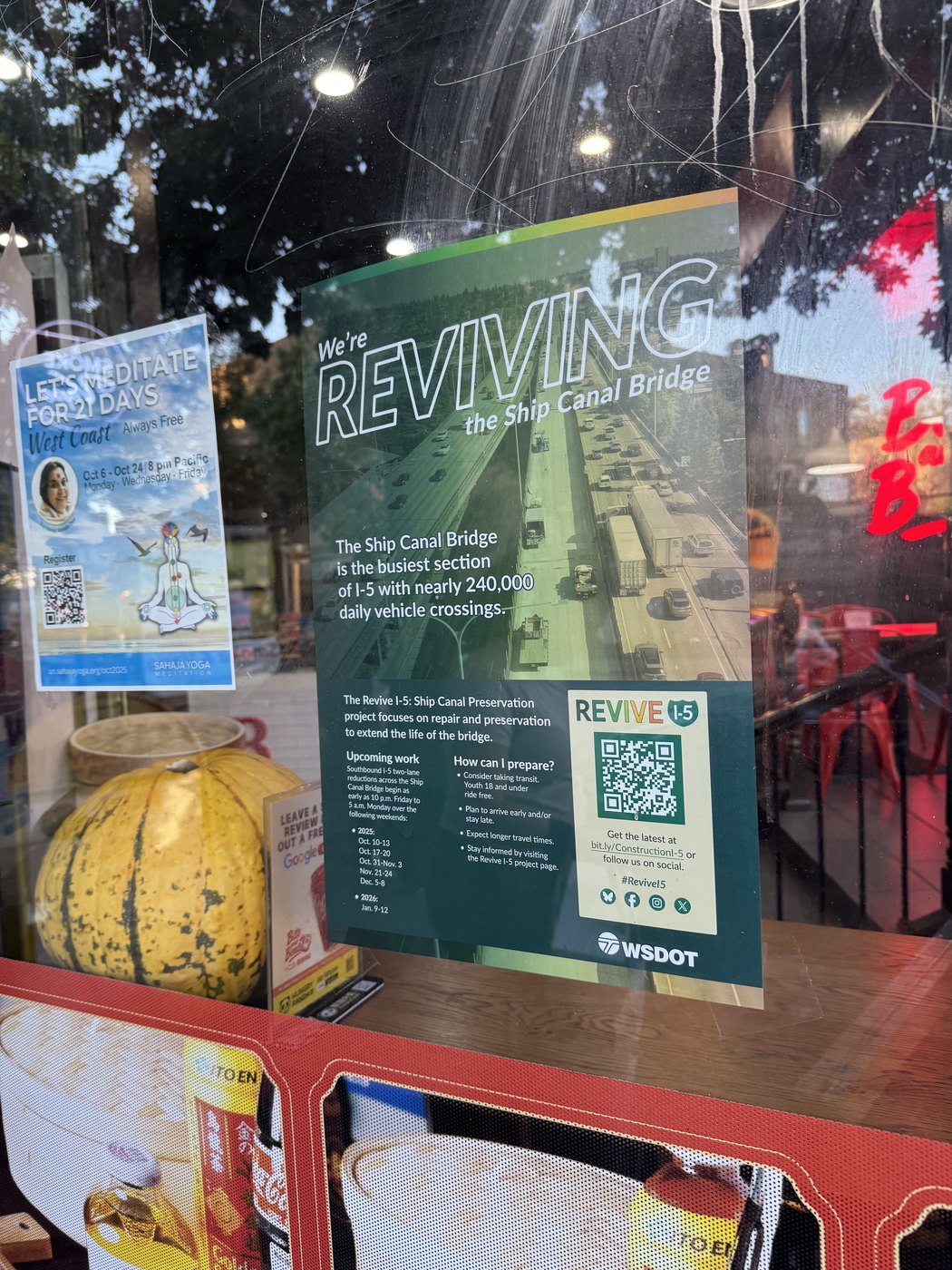
- Equitable and frequent engagement. Staffs information tables at events, conducts business outreach, and street teams throughout the region to reach audiences, including in-language.
- Construction communications. Quickly and accurately responds to project calls and emails and alerts the region to construction impacts through travel advisories and door-to-door outreach in impacted neighborhoods.
- Research-driven decision making. Tested messaging resonance with community to ensure effectiveness. Regular post-event surveys allow the team to adjust outreach strategy as needed based on effectiveness at reaching key audiences.
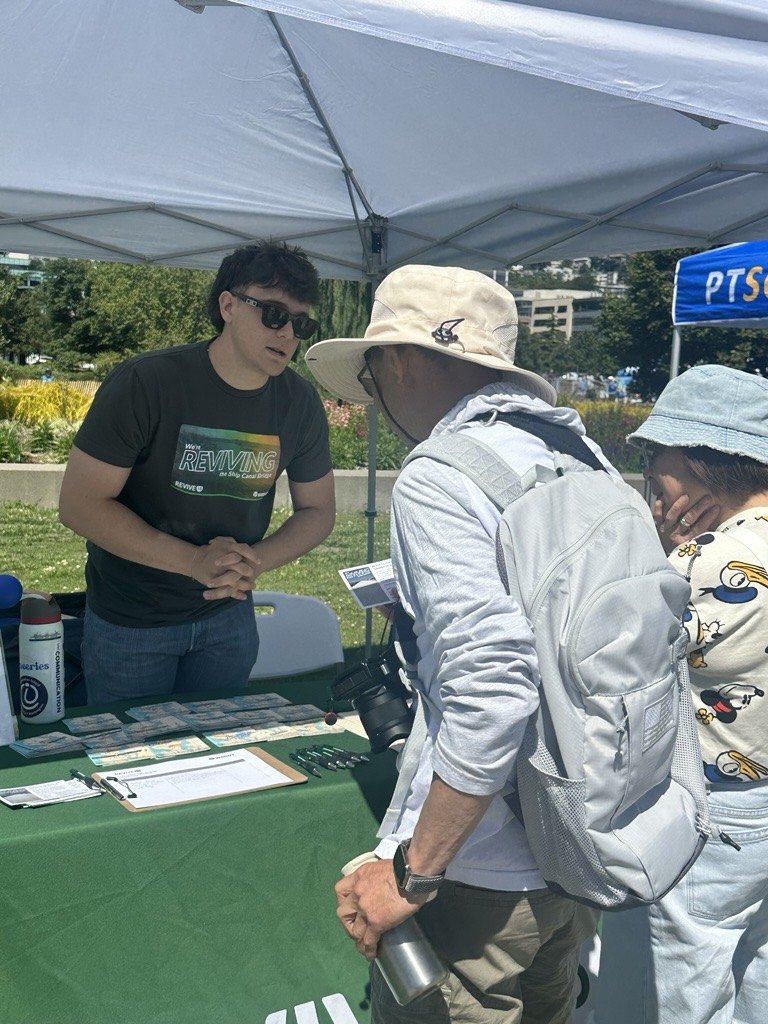
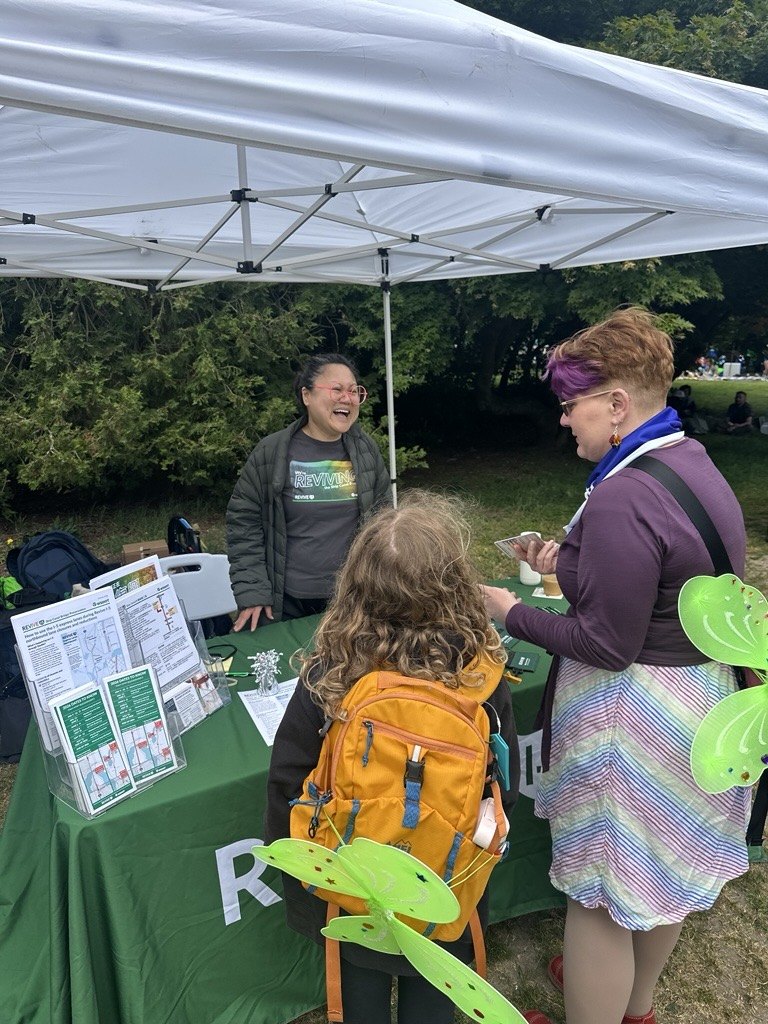
9,000+
764
90+
A well-informed region adapts to construction impacts
Communications and engagement outcomes include:
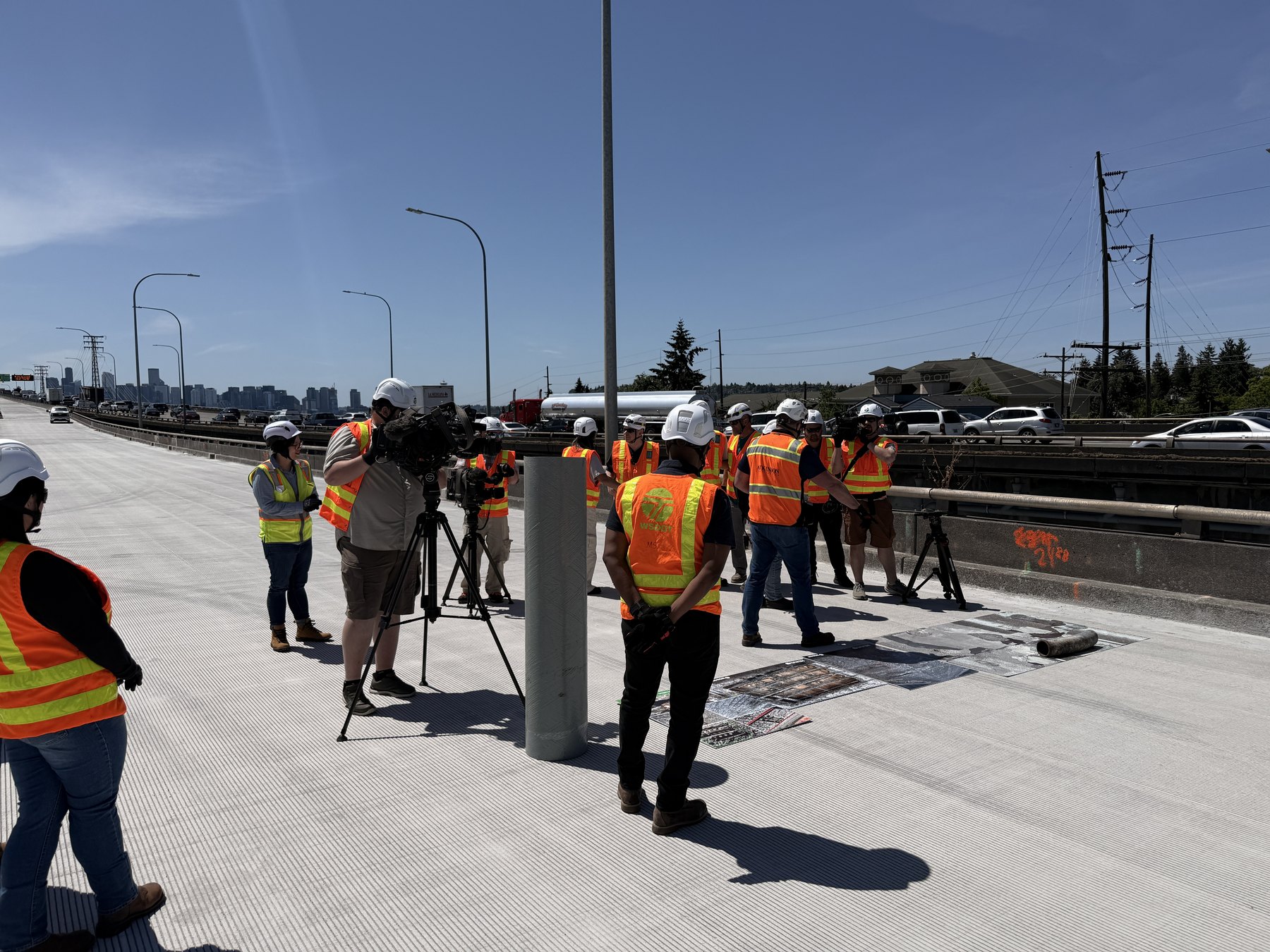
- Frequent, accurate media coverage. Media events, press releases, and travel advisories lead to consistent and accurate coverage that amplified project messaging.
- Strong partner relationships. Frequent touchpoints with partners maintain and strengthen WSDOT relationships with intergovernmental and community-based partners throughout the region, enabling shared messaging and coordination to minimize impacts through information.
- Regular community interactions. Regular engagement with community members helps WSDOT build trust throughout the region.
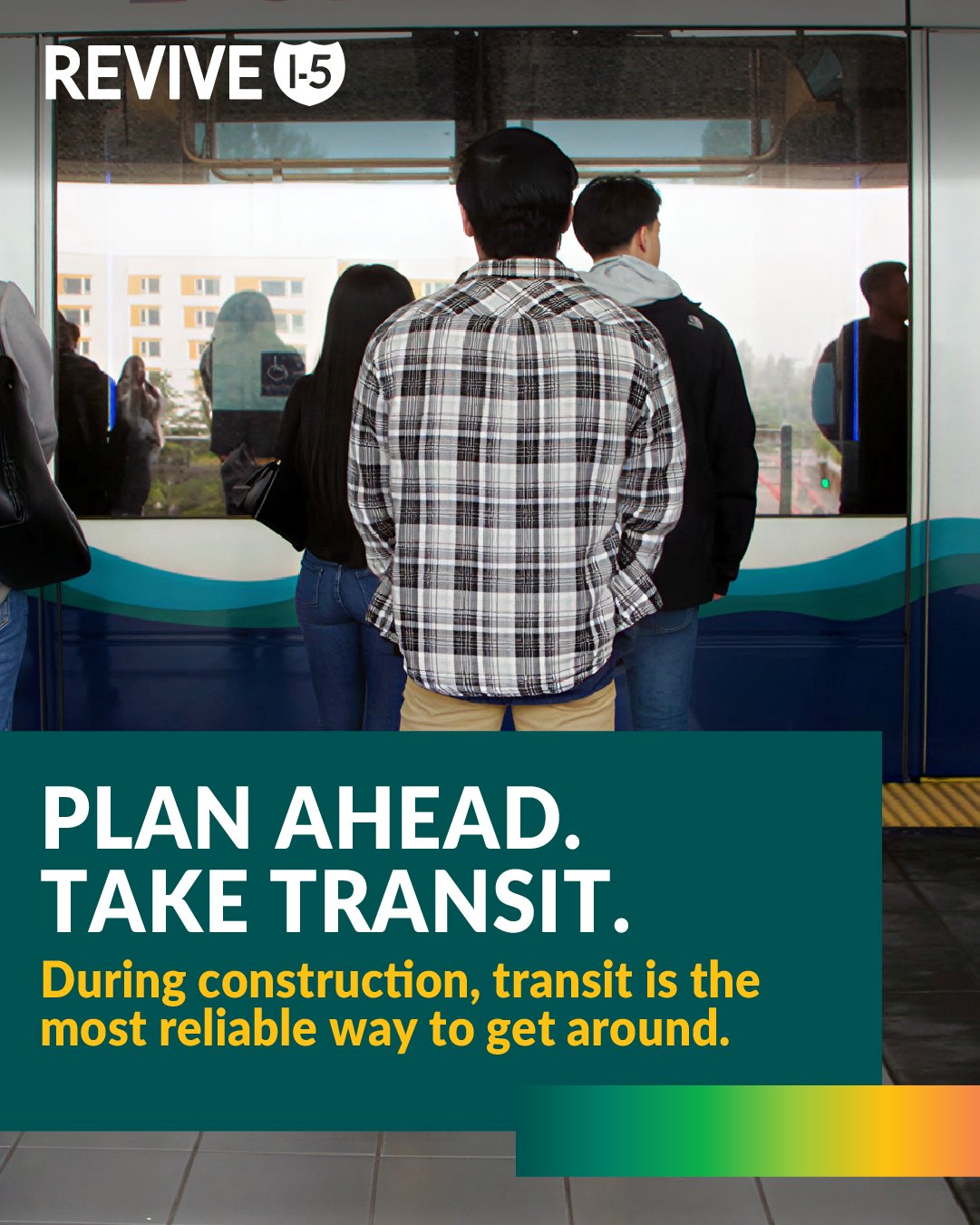
- Changed travel patterns. Traffic delays have stabilized as the traveling public adapts by changing commute times and routes, using express lanes, and taking transit.