Facilitating the board that allocated $90 million to Oregon's opioid response
Oregon Health Authority

When the Oregon Health Authority needed support for a newly convened board, they engaged PRR to partner with board co-chairs and staff to develop meeting arcs, materials, and funding allocation processes. The result: a high-functioning board that successfully allocated all funds last biennium and was planning distributions for the current one.
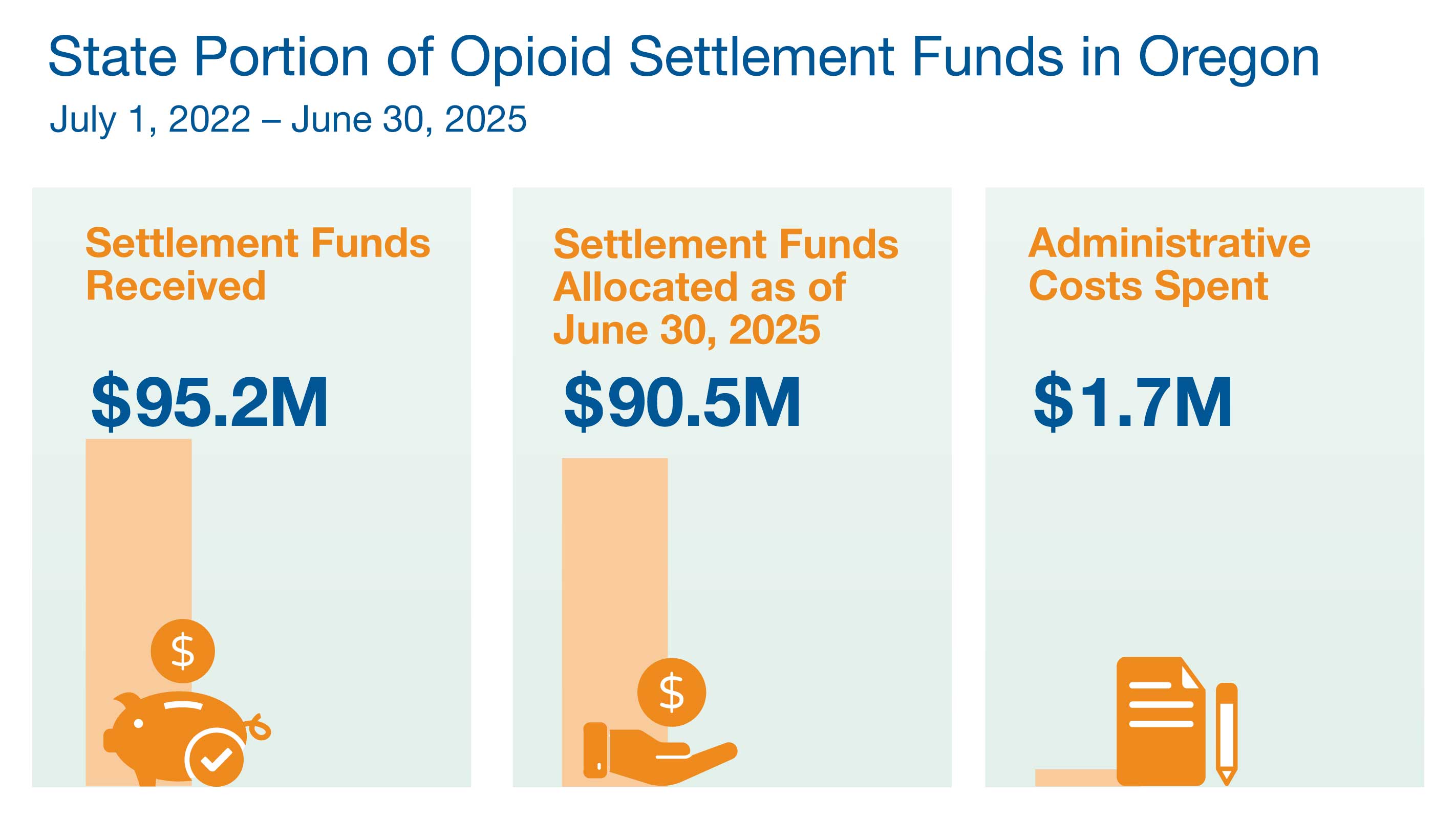
$95.2M
$90.5M
$1.7M
The Situation
High-profile statewide board needed rapid, expert support to disburse millions to address Oregon's opioid crisis
In 2022, Oregon faced some of the nation's highest rates of opioid misuse, overdose deaths, illicit drug use, and unmet need for substance use disorder treatment and recovery services. To confront this growing gap, the Oregon State Legislature authorized the Oregon Health Authority to establish the Opioid Settlement Prevention, Treatment, and Recovery (OSPTR) Board, charged with allocating Oregon's share of national opioid settlement funds. OHA brought on PRR as an experienced, neutral facilitator to guide the newly convened board in building clear funding processes and making informed, inclusive decisions. With PRR's support, the OSPTR Board was positioned to immediately focus on directing resources where they could have the greatest impact in addressing Oregon's opioid crisis.

The Opportunity
Effective, consistent facilitation guided the board in defining its vision, mission, goals, and processes
PRR worked collaboratively with OHA to ensure the OSPTR Board functioned efficiently and with a clear, durable governance structure. Working directly with the Board, its co-chairs, and the Data Subcommittee, PRR helped establish the foundational frameworks that guided the Board's ongoing decision-making. This included:
- Establishing a decision-making framework, vision statement, goals, and objectives
- Creating a settlement-fund allocation model
- Defining a prioritization structure for funding strategies
- Designing both competitive and non-competitive funding pathways
Together, these elements equipped the Board to make transparent, equitable, and well-informed funding decisions.
The Solution
Effective and efficient meeting planning, strategic planning, and facilitation
PRR was brought in to plan and run the Board's meetings, equip its co-chairs, and keep the public informed:
Partnered with the co-chairs
Developed accessible materials
Created space for decisions
Reported out transparently
Results
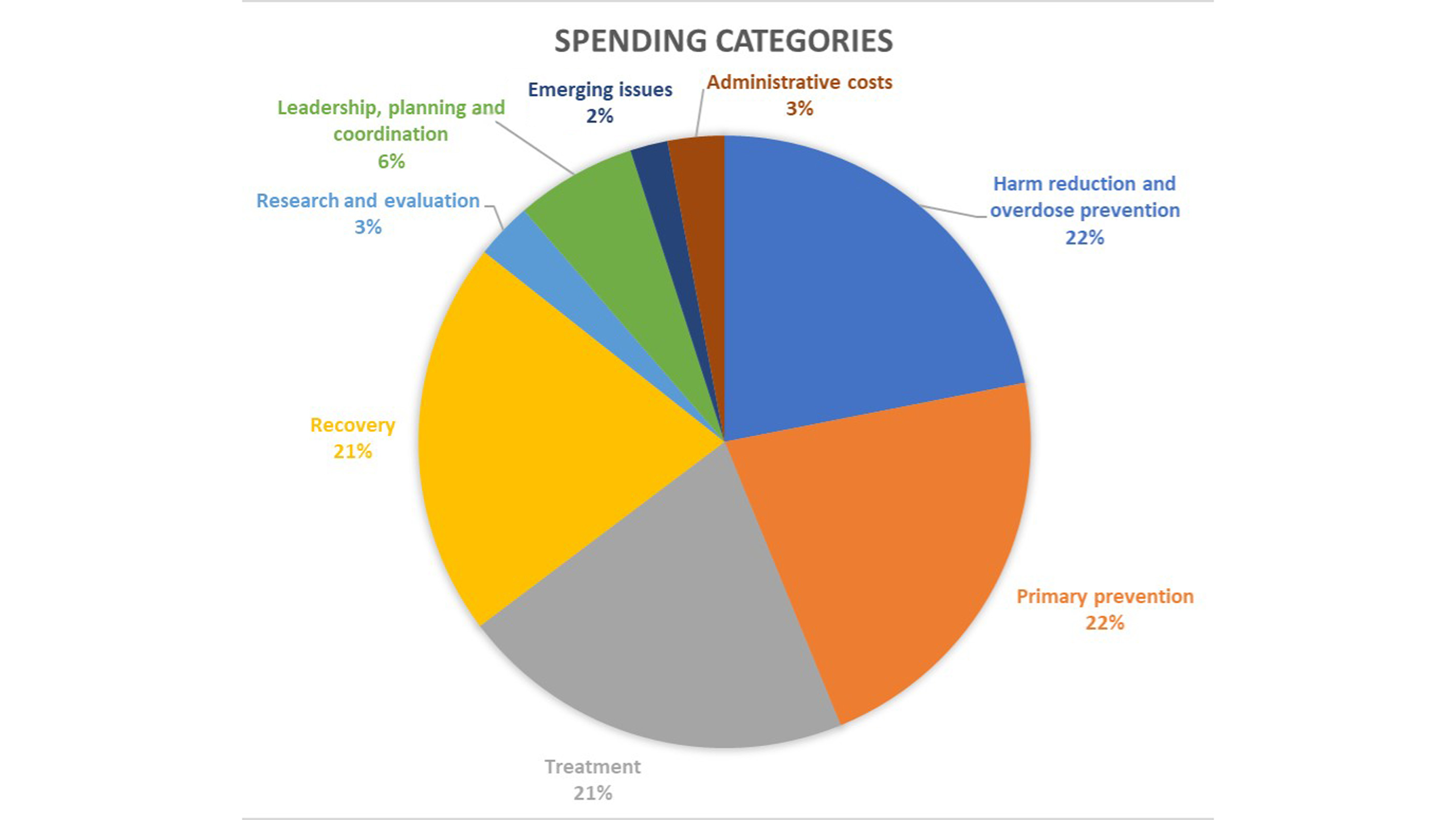
A high-functioning, inclusive board that allocated over $90 million to address Oregon's opioid crisis.
PRR supported the OSPTR Board with strategic planning and skilled facilitation as it navigated complex funding decisions. Over two years, the Board's collaborative agreements and informed decisions, strengthened by PRR's facilitation, led to more than $90 million being allocated to organizations working to combat the opioid crisis. These investments drove tangible impacts for individuals, families, and communities across Oregon. In 2025, PRR's partnership with OHA was renewed to continue supporting additional rounds of funding allocations and advancing the Board's mission.